Fiber Modification Enzymes for Corn Wet Milling
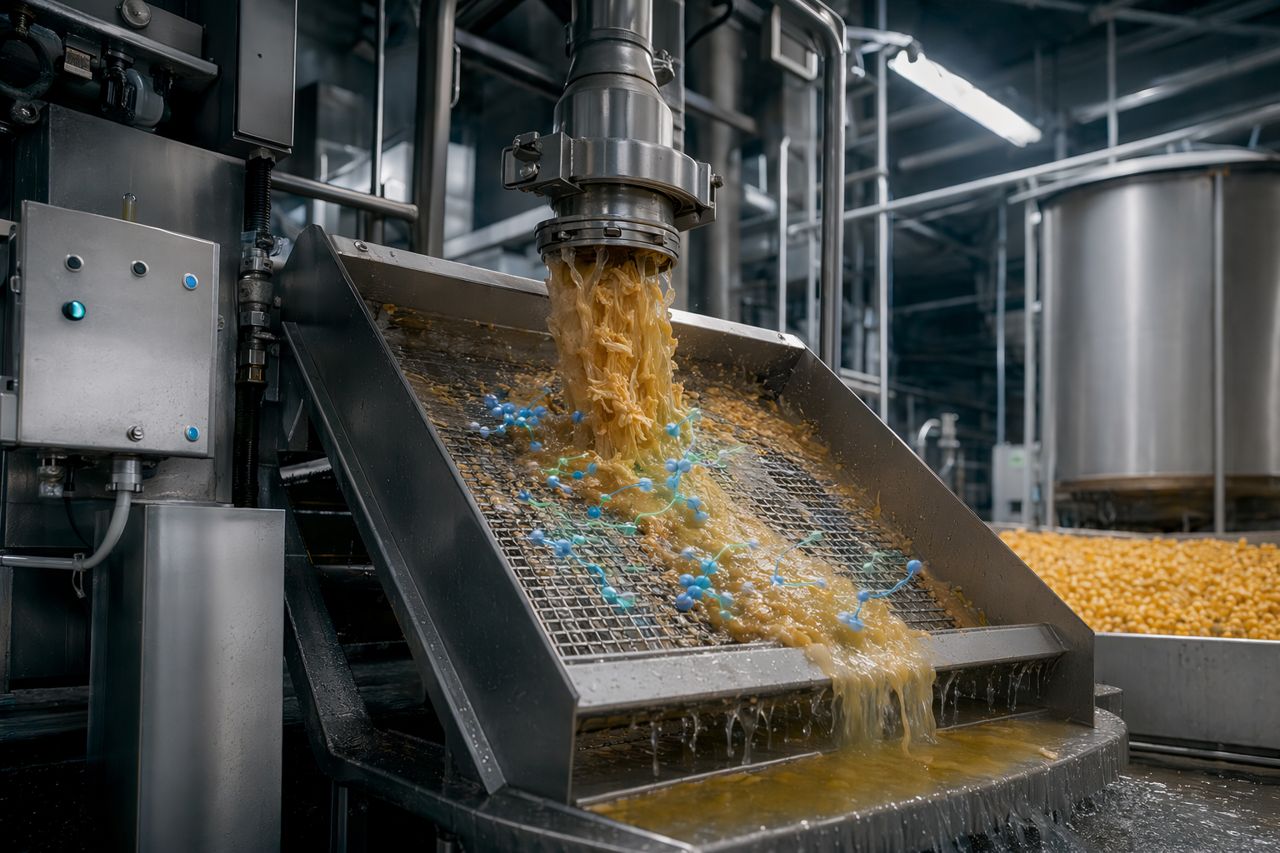
Corn fiber behavior affects more than the fiber stream. It can influence starch losses, wash water demand, viscosity through grind and separation, and the consistency of coproduct handling. Mazerun supplies fiber modification enzymes for corn wet milling plants that need practical support around non-starch polysaccharides, fiber washing, and steady continuous operation.
As an enzyme supplier for corn wet milling, Mazerun focuses on fit-for-process recommendations: where the enzyme is introduced, how long it can work, what temperature and pH window is available, and how the result will be measured by the plant team.
Why fiber modification matters in a corn wet mill
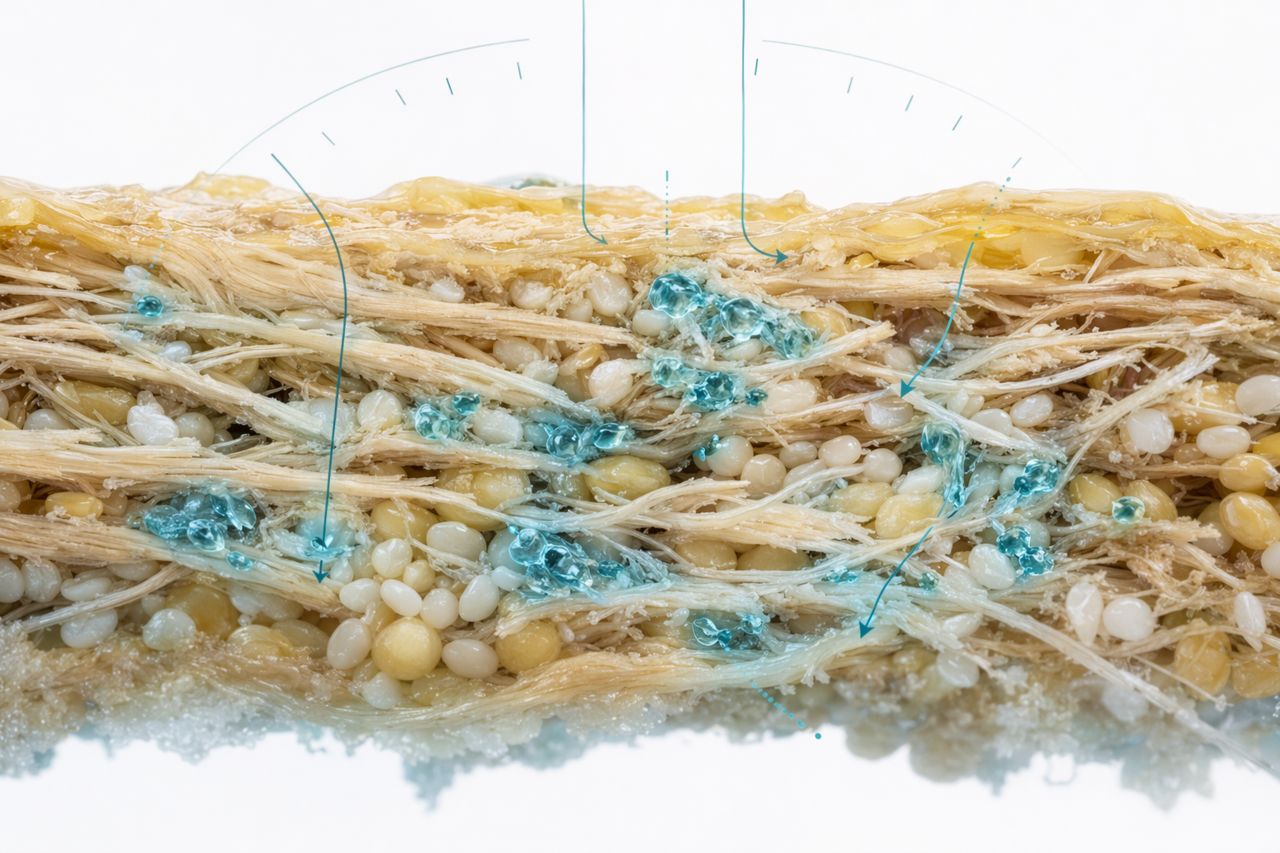
Corn fiber contains hemicellulose, cellulose-rich material, arabinoxylan structures, and other non-starch polysaccharides that can hold water and interfere with separation behavior. In real plant conditions, this may show up as:
- Higher fiber moisture or slower drainage
- Starch retained with fiber after washing
- Increased slurry viscosity in grind, wash, or sidestreams
- Less stable hydrocyclone, centrifuge, or screen performance
- Higher load on evaporation, drying, or coproduct handling
- Variable gluten feed or fiber coproduct consistency
Fiber modification enzymes are used to loosen selected fiber structures and improve slurry behavior without changing the core wet milling flowsheet. The objective is controlled improvement: better washout, easier handling, and more predictable separation.
Enzyme solutions for fiber wash and non-starch polysaccharides
Mazerun fiber modification programs may include enzyme functions selected for corn wet milling fiber matrices, such as hemicellulose modification, arabinoxylan reduction, cellulase-supported loosening, and related side activities selected for process compatibility.
The goal is not to over-treat the stream. The goal is to apply the right enzyme profile at the right point in the mill so that fiber becomes easier to wash, slurry viscosity is reduced where it matters, and recoverable starch is less likely to remain bound in the fiber fraction.
Common application points
Mazerun supports evaluation across several dosing windows, depending on plant configuration and bottleneck location:
- Steep discharge or post-steep slurry when fiber structure and initial grind behavior are the focus
- Primary or secondary grind slurry when viscosity and starch release are linked to milling conditions
- Fiber wash systems when retained starch, drainage, or wash efficiency is the main constraint
- Controlled sidestream treatment when a defined residence time is easier to manage than full-stream addition
- Coproduct conditioning points when downstream handling or drying stability needs improvement
Each recommendation is based on your actual temperature profile, pH range, residence time, solids level, and equipment constraints.
Practical plant benefits to evaluate
A well-designed fiber modification trial can help plant teams evaluate:
- Improved fiber wash performance
- Reduced starch carryover into fiber
- Lower slurry viscosity in targeted process areas
- Better screen, centrifuge, or hydrocyclone stability
- More consistent coproduct solids behavior
- Reduced process variation during long production runs
- More predictable cleaning and uptime planning
Mazerun does not treat enzyme selection as a catalog choice. We match the product and dosing strategy to your mill’s process window, measurement plan, and commercial objective.
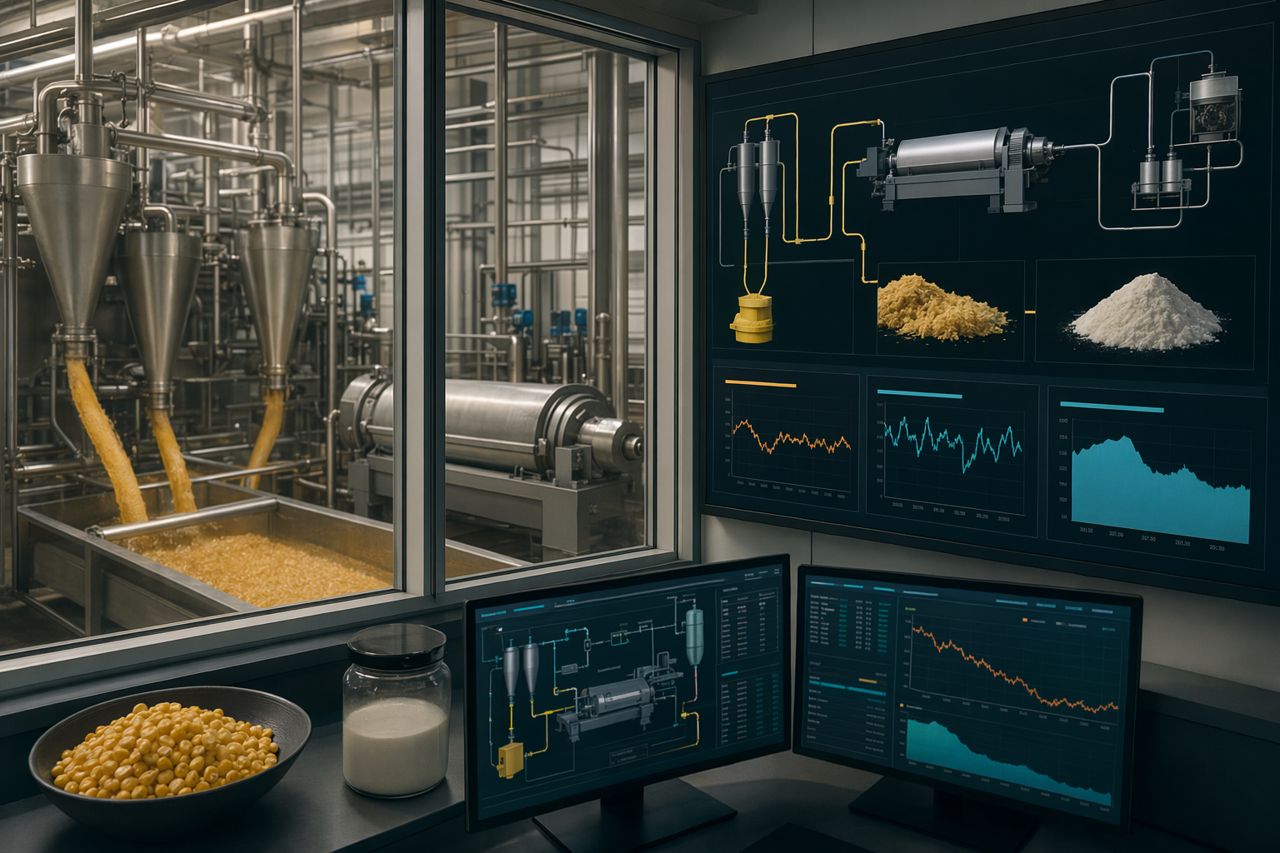
60-second process overview
{{< faceless-explainer-video id="corn-fiber-modification-enzymes" title="Fiber modification enzymes for corn wet milling" >}}
How Mazerun supports plant trials
Corn wet mills operate continuously, so enzyme trials need to be controlled, documented, and realistic. Mazerun supports trials with a practical package that can include:
- Process review before recommendation
- Dosing point and dilution guidance
- Handling and storage documentation
- QA documentation for plant approval workflows
- Trial sampling plan aligned with mill routines
- Defined success criteria for wash efficiency, viscosity, starch recovery, or coproduct handling
- Technical follow-up after plant data review
We can support both troubleshooting trials and planned optimization studies. The best starting point is a short discussion of the stream, the current bottleneck, and the operating window available for enzyme action.
What to share when requesting a quote
To recommend an appropriate fiber modification enzyme program, please include as much of the following as possible:
- Target stream or unit operation
- Current bottleneck: fiber wash, viscosity, retained starch, drainage, filtration, or coproduct consistency
- Approximate temperature and pH range at the proposed dosing point
- Available residence time before separation or heating
- Solids level and flow pattern, if available
- Any compatibility requirements for downstream products
- Trial timing and documentation requirements
Request a quote
If fiber behavior is affecting separation efficiency, starch recovery, filtration, or uptime, Mazerun can help define a practical enzyme trial for your corn wet mill.
Request a quote and our technical team will review your operating window, documentation needs, and target outcome.