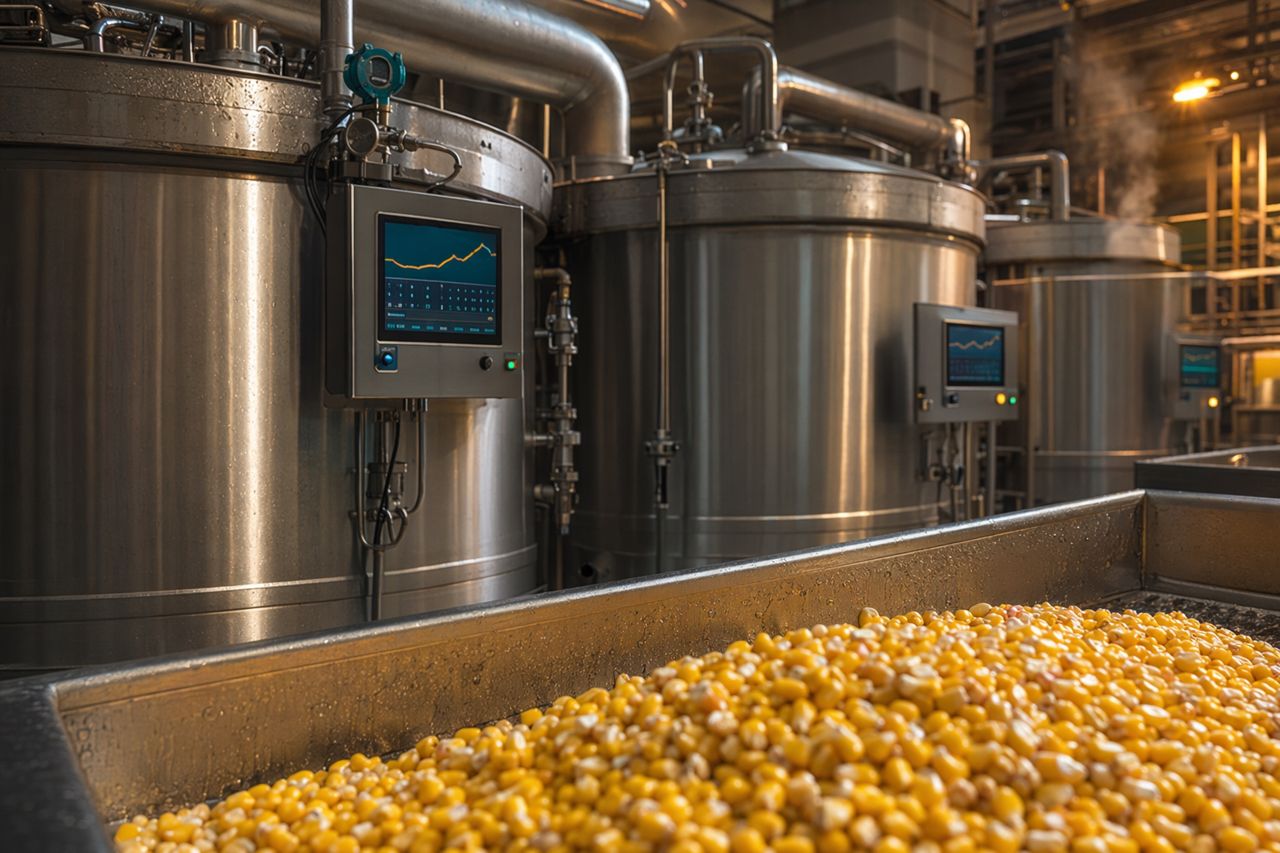
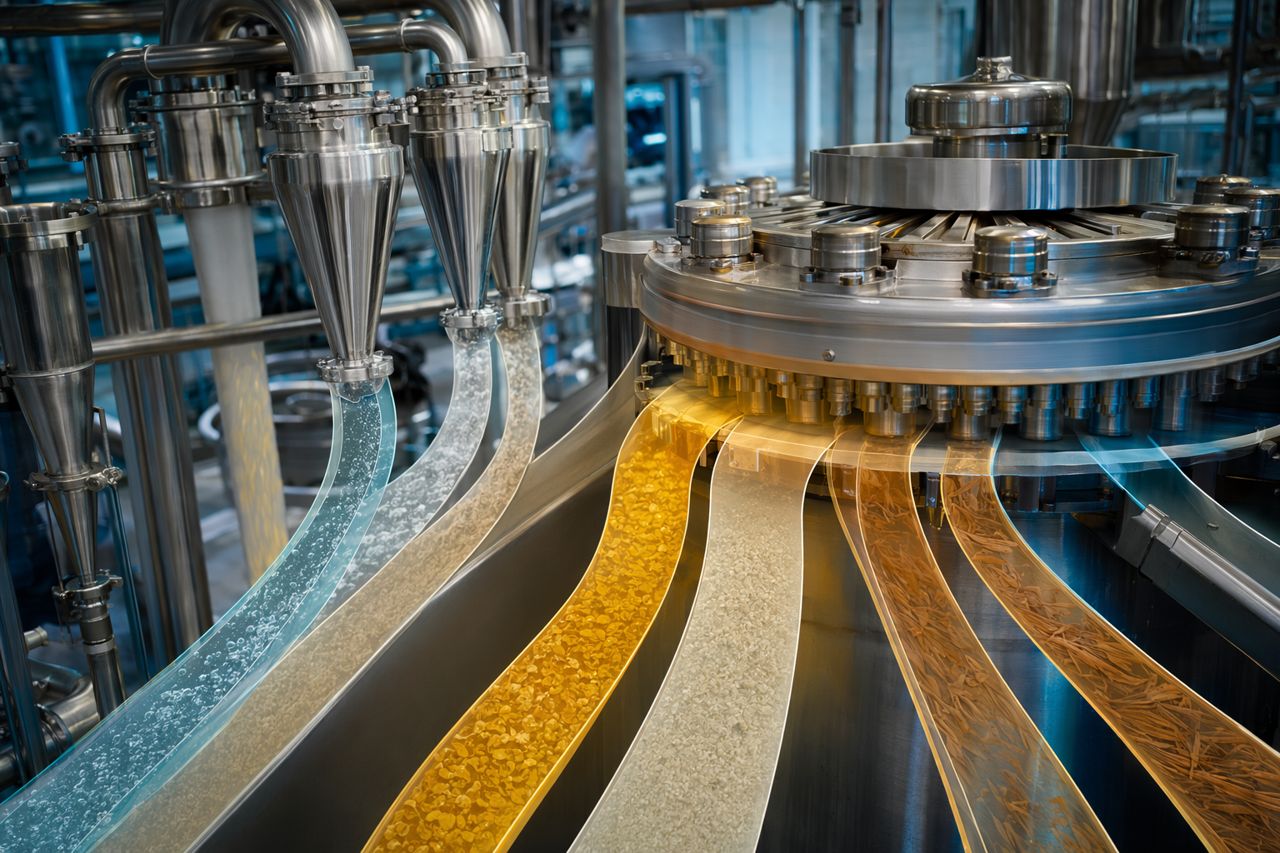
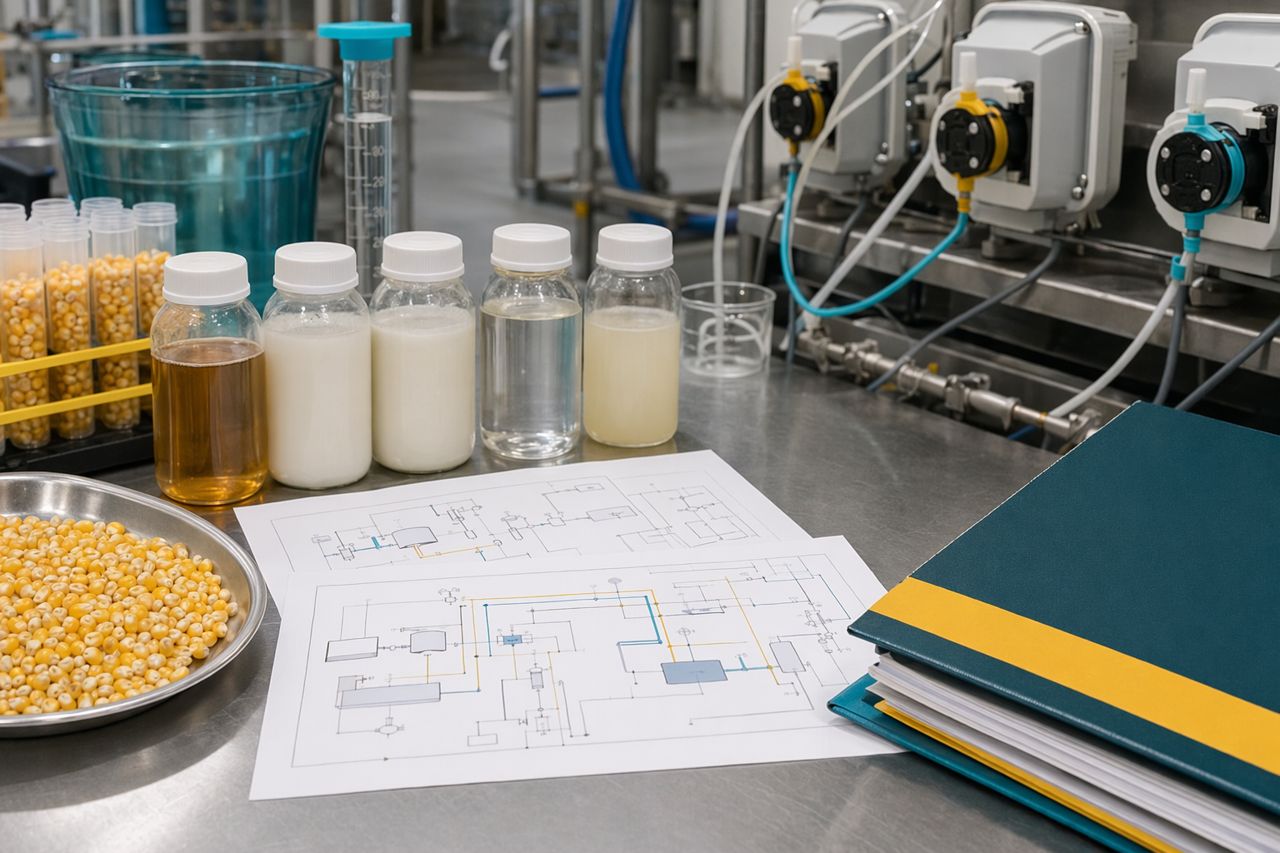
Why Corn Steeping Still Determines the Economics of Wet Milling
In a corn wet mill, steeping can look like a familiar upstream hold step. In practice, it is one of the economic control points for the entire plant.
The condition of the kernel leaving steeping influences grind response, germ release, fiber behavior, starch-protein separation, evaporator load, coproduct consistency, and downstream conversion efficiency. When steeping is stable, the plant has more room to operate. When steeping drifts, every following department sees the effect.
For teams evaluating an enzyme supplier for corn wet milling, steeping is usually the right place to start the conversation: not because an enzyme replaces good steep control, but because it can support better release, lower stress on separations, and a wider operating window when corn quality or throughput changes.
Steeping is an economic lever, not only a preparation step
Steeping changes the kernel before the mill asks mechanical equipment to do the work. Water, temperature, time, sulfur dioxide chemistry, lactic fermentation, and solids movement all shape how the kernel hydrates and softens.
The economic question is simple: how much useful separation can the plant create before it spends energy correcting poor preparation?
A well-controlled steep can support:
- Cleaner germ recovery with less starch carryover
- More predictable coarse and fine grind performance
- Lower slurry viscosity entering screens and centrifuges
- Better starch washing and protein displacement
- More consistent gluten, fiber, and steep liquor quality
- Reduced rework caused by unstable solids behavior
- More reliable downstream liquefaction and saccharification feed quality
Small upstream improvements can therefore appear as measurable savings across power, water balance, chemical load, thermal load, filtration behavior, and yield protection.
Where poor steeping shows up in the plant
Steeping issues rarely stay in the steep house. They travel.
1. Germ separation becomes less forgiving
If the kernel is not conditioned consistently, germ release becomes more dependent on aggressive milling. That can increase starch loss with germ, raise recycle burden, and make hydrocyclone control more sensitive.
Operators may see more frequent density adjustments, wider variability in germ purity, or unstable separation when incoming corn lots change.
2. Fiber and protein carry more bound starch
Incomplete kernel softening can leave starch locked into fiber and protein-rich fractions. The plant then faces a choice: grind harder, wash harder, or accept yield loss. Each option has a cost.
Better steep performance helps the plant protect starch recovery without forcing every downstream unit to compensate.
3. Viscosity increases the cost of movement and separation
High or variable viscosity can slow screens, reduce classification sharpness, and put pressure on pumps, centrifuges, and filtration systems. Even when production continues, the plant may lose margin through lower throughput, higher energy demand, or less stable solids capture.
Enzyme programs used around steeping and early slurry handling are often evaluated for their ability to improve flow behavior and reduce separation stress within the plant’s existing operating limits.
4. Evaporation and coproduct quality become harder to manage
Steep liquor is not just a bystream. It affects evaporator load, syrup consistency, and the value of coproduct streams. Poor steep control can lead to variability in soluble solids, color, odor, and handling properties.
That variability can become a QA and customer issue, especially where coproduct specifications are tight.
Why enzymatic support belongs in the steeping economics discussion
Enzymes are not a substitute for residence time, temperature discipline, or corn quality management. They are process tools that can help specific reactions happen more predictably within a defined dosing window.
In corn wet milling, enzymatic support may be considered where the plant wants to improve one or more of the following:
- Kernel component release during preparation
- Fiber opening and starch liberation
- Slurry viscosity management
- Separation efficiency after grind
- Filtration or screenability
- Starch availability for downstream conversion
- Consistency across seasonal corn variation
The right program depends on the plant’s bottleneck. A mill protecting germ quality will ask different questions than a mill fighting filtration limits or dextrose conversion variability.
That is why Mazerun approaches steep-related enzyme selection through plant objectives, not generic product claims.
The economic map: where value is usually measured
A steeping improvement should be judged by plant economics, not by a laboratory number in isolation. Practical evaluation points often include:
Yield protection
The central question is whether more starch reaches the intended product stream instead of leaving with germ, fiber, gluten, or wastewater load.
Separation stability
A stronger steeping window can reduce the frequency of downstream correction. That can help operators maintain sharper splits under normal production pressure.
Energy and thermal load
When the kernel is better prepared and slurry behavior is more stable, the plant may reduce the need for mechanical intensity, excessive recirculation, or thermal correction.
Throughput and uptime
A plant does not need a dramatic change to create value. Fewer screen limitations, fewer filtration slowdowns, and fewer instability events can support production continuity.
Coproduct consistency
Better upstream control can help stabilize germ, gluten, fiber, and steep liquor streams. This matters for internal mass balance and for customers buying coproducts against specification.
What a disciplined enzyme trial should include
Wet mills run continuously, so trial design must respect plant constraints. A useful trial does not ask the plant to chase too many variables at once.
Mazerun typically recommends defining:
- The primary bottleneck or economic target
- The exact process point for dosing
- The expected dosing window and control logic
- Baseline data from normal production
- Corn lot and steep condition documentation
- Downstream measurements tied to plant value
- QA documentation requirements before trial start
- Operator observations to capture practical handling effects
For steeping-related programs, the best trials connect upstream conditions with downstream results. If the goal is separation efficiency, the trial should look beyond the tank. If the goal is viscosity reduction, the evaluation should include the equipment affected by that viscosity. If the goal is dextrose conversion stability, the feed quality entering conversion must be part of the review.
What to ask an enzyme supplier before changing the steeping program
Before introducing any process aid, plant teams should ask practical questions:
- Which process constraint is this enzyme intended to relieve?
- Where should it be dosed, and how sensitive is the dosing window?
- What corn quality conditions should be documented during the trial?
- Which downstream KPIs will show whether the program is working?
- What handling, storage, and QA documentation are required?
- How will the supplier support troubleshooting during continuous operation?
- What is the plan if the first trial shows partial but not complete improvement?
A credible supplier should be able to discuss the plant’s separation train, not only the enzyme label.
Mazerun’s view: protect the process window
Corn wet milling economics are built on separation. Steeping defines how much of that separation is easy, how much is forced, and how much is lost.
Mazerun supports wet mills with enzyme programs selected for practical process targets: release, viscosity, filtration, conversion consistency, and yield protection. Our work is engineering-led, documentation-aware, and built around plant trials that can be evaluated under real operating conditions.
If your steeping stage is creating downstream cost, the next step is not a generic additive conversation. It is a process review.
One-minute explainer: steeping and mill economics
{{ faceless_explainer_video }}
Request a quote
Share your corn wet milling objective, current bottleneck, and intended trial window. Mazerun can help identify a suitable enzyme approach and supporting documentation for plant review.